
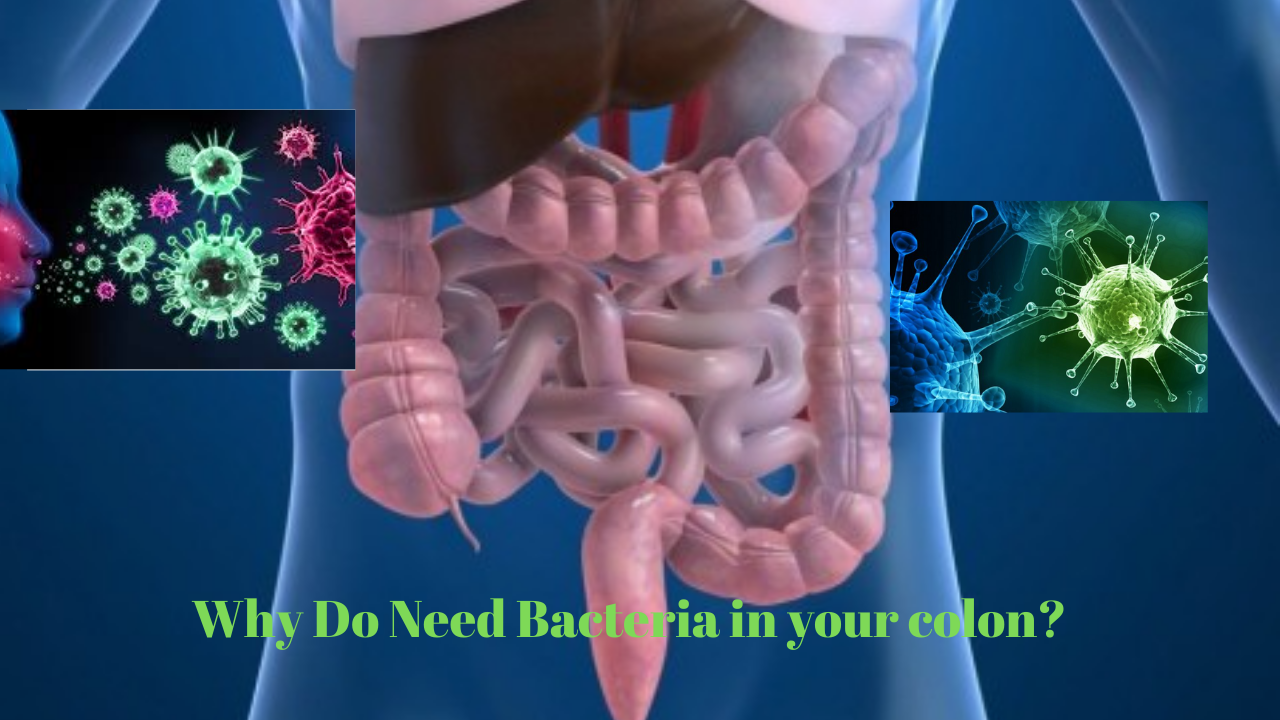
Bacteria in the colon have several common names – probiotics, positive or harmful bacteria, protective bacteria, acidophilus, dysbiosis, micro flora, proflora. Pleasant algae, unfriendly bacteria.
I literally use good and poor bacteria to refer to all the bacteria that live in the small intestine and the colon.
Your colon contains both healthy bacteria and poor bacteria. Positive bacteria keep the colon safe by preventing the poor bacteria from spreading and can constipation.
Most people in their colon have poor bacteria as their primary state. You will see this in the illnesses that occur all over the world. Most people later in their life suffer from diseases caused by colon neglect and abuse.
Poor bacteria multiples as you,
* Ingest toxins such as waste, pesticides, food additives such as preservatives, coloring, etc.
- Drink alcohol
- * Eat fried foods
- * Constant fear
- * Lack of nutrients in your diet
- * Use birth control pills
- * Use drugstore laxative
- * Use medications and narcotics.
- The healthy bacteria in your colon is made up of a hundred types of bacteria. Healthy bacteria are most active in the 5.9 to 6.9 pH acidic environment. That is a healthy colon.
Your colon is the habitat of healthy bacteria that ferment different carbohydrates, which, in effect, make your colon mildly acidic. The acidic climate supports healthy bacteria and prevents poor bacteria and pathogens from spreading.
Poor bacteria create an alkaline atmosphere and are most active at a pH of 7.1 to 7.9 Again, healthy bacteria produce an acidic environment and are most active at a pH of 5.9 to 6.9 Acidophilus and Bifidus are the only good bacteria in the colon. In the right side of the uterus, the ascending colon contains the most bacteria. There is fewer bacteria in the transverse colon and less bacteria in the descending colon. Eventually, microscopic bacteria are found in the sigmoid and rectum.
When healthy beneficial bacteria are active in your colon, they inhibit the transmission of disease from different species – parasites, microbes, viruses, fungi. Specific pathogens Shigella, salmonella, measles, encephalitis, protozoa, amebas, staph, tuberculosis, polio, cold measles, comphylobacter, and CMV are the ones that trigger killer diseases such as dysentery, blood poisoning, meningitis, pneumonia, influenza and encephalitis Healthy bacteria hold such species in the minority, keeping them from spreading, moving into the skin, and so on. They do so with their antibiotics, such as secretions, lactic acid production, and other secretions that make their environment acidic.
Healthy bacteria survive on and grow on carbohydrates. If the body has strong digestion so no food enters the intestine, the population of good bacteria increases and the poor bacteria are dominant.
Healthy bacteria need to be fed to keep the colon dominant. If there are some healthy bacteria left in your colon, you can get them to reproduce by feeding them. If there is no good bacteria in your colon, you can not recover the good bacteria by consuming similar carbohydrate products. In order to recover healthy bacteria, in this condition, you will have a flora enema.
In his book, Acidophilus and Colon Health, 1999, David Webster also states, “Indicators of good colon flora are soft but well-formed stools, with amber color and little to no odor, and they float much of the time in water. When the stools are dry, dark brown, too firmly developed or too loose, and particularly when there is a putrid scent, these are strong markers of the putrefactive, alkaline-producing colon flora. Chronic constipation, vomiting, and irritable bowel syndrome are always removed when the colon is preserved and sustained at a mildly acidic pH. “In his study, Webster discovered that feeding the remaining healthy bacteria, edible lactose whey, rejuvenates the good bacteria throughout the colon. Through drinking 2 – 5 tablespoons or more per day in a cup of purified water, enough lactose will enter your colon to feed the bacteria. Webster advises that you do so for 30 days. After this time, you can test your stools to see if you have reactivated a good bacteria.
 naturecures.fitness.blog