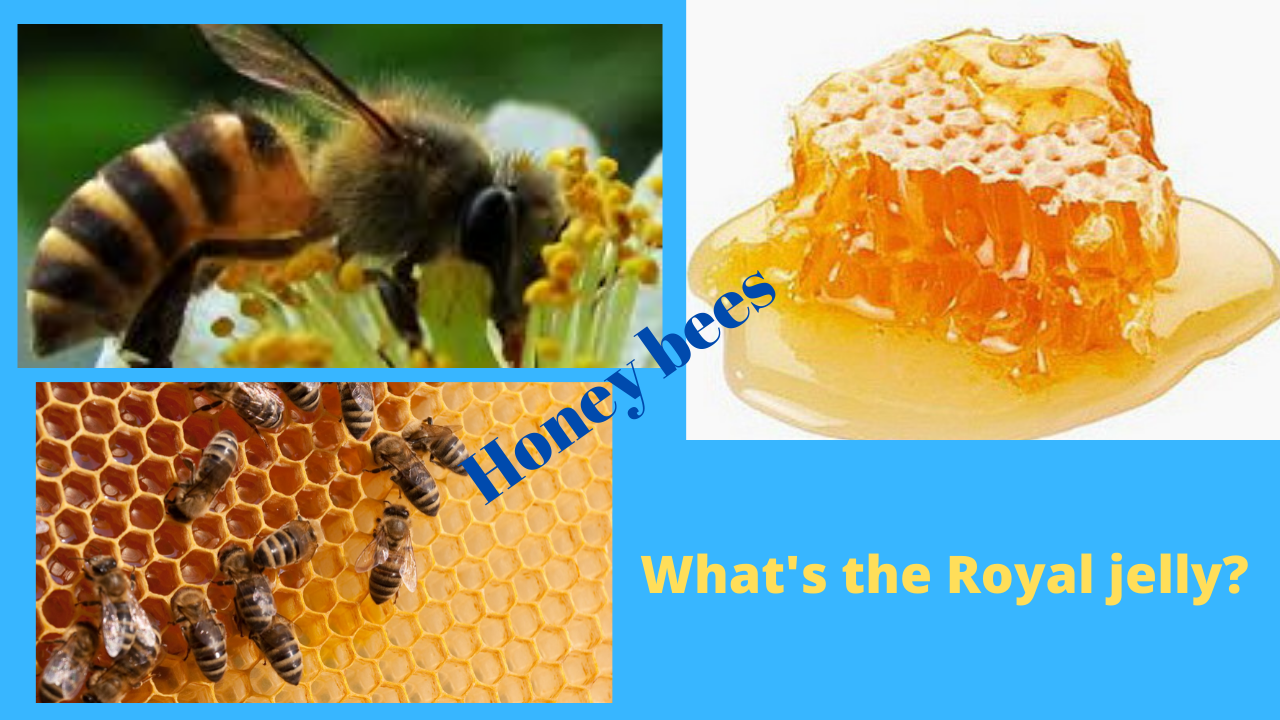
Royal jelly, also known as gelee, is a sticky gelatinous milky white fluid that is excreted from the glands around the head of the nurse worker’s bees and fed to the queen of the hive from its larval stage to adulthood. The prime aim is to promote the growth and production. It seems like the royal jelly works on juvenile hormones in the developing queen’s body, causing her to mature while drones, who are not given royal jelly, remain in a state of physical immaturity. A hive queen will live for up to seven years, but without her unique royal jelly diet, the queen would have had the same brief life span as any other worker’s bee — seven to eight weeks.
The ancient Egyptians had housed the bees as far back as 5500 B.C. And royal jelly has been used in Chinese medicine for decades and still exists today.
People have used royal jelly as a general health tonic for years, but it is often used for different foods. It is prescribed to alleviate heart, liver, renal, intestinal and skin diseases, to reduce high cholesterol, to delay the symptoms of ageing, to alleviate arthritis pain, to stop the development of multiple sclerosis, to boost immunity, to strengthen sexual health, to promote hair growth and also to cure bone fractures. Many people believe the royal jelly manages to boost their endurance, strength and general sense of well-being. Melbrosia, a combination of royal jelly and bee pollen, is widely used by menopausal women to treat their hot spells and other related physical symptoms.
It is generally accepted that royal jelly has rejuvenating and anti-aging effects in humans, clinically it has not lived up to this belief, but it is not without possible medical benefits.
Royal jelly is mainly made up of water, but also includes proteins, fats, sugars and other trace substances. Another form of protein present in royal jelly and one of the sugars was present to have antibacterial or antimicrobial properties. Gelee also includes vitamins, nutrients and other phytosterols such as neopterin-this compound is also known to play a part in our immune response in humans. According to PDR Wellness, ‘Royal Jelly may have hypolipidemic, antibacterial, anti-inflammatory and anti-proliferative action. There is very tentative evidence that it may also have some therapeutic, immunomodulatory, anti-inflammatory, wound healing and anti-cancer benefits. “It can be used as a supplement in the form of a tablet or pill or can be consumed in a wide range of food products such as chocolates, fruit bars and antioxidant drinks. Royal jelly can also be used in a wide variety of personal care products such as lip balm and face cream.
Although royal jelly supplements and drugs are commonly available and often used by pregnant and nursing mothers, those with allergies or hypersensitivity to any of its components should not use this supplement. Side effects include rashes and scratching, asthma attacks although bronchospasms, and seldom has anaphylaxis or death happened.
Like for every nutritional substitute, unsubstantiated arguments are popular when it comes to extolling the advantages of royal jelly, and while there are no recent findings that unequivocally point to the effects of its use, there is new evidence that looks promising.
 naturecures.fitness.blog