It’s a time of year again! Catching a cold can make you feel pretty awful for a couple of days, but it’s not as serious a illness as it would appear to be to you when you’re in the middle of it.
The old saying, “It takes three days to catch a cold, three days to get a cough, and three days to get sick,” is fairly true, and if the cough has lasted more than only nine days, it’s best to ask the medical advisor for advice, because it might not be a cold at all.
Flu, on the other hand, may be a dangerous disease, particularly if you are very young, elderly or already have respiratory problems. There are quite a few common flu viruses, and each one reacts differently, but what are you doing to stop catching a cold or a fever, and what can you do to alleviate your symptoms if you’re lucky enough to have it?
Next, all of the Colds.
Colds are infectious viral respiratory infections that induce inflammation in the lining of the nose and mouth. Since they are caused by a infection, using antibiotics won’t work, although there are other natural treatments that can help you deal with it. The signs of common cold are normal to all and include: respiratory congestion, sneezing, coughing, runny nose, watery eyes, stuffy ear, fever, mild body aches and pains, tiredness and sore throat.
What triggers the cold?
There are more than 200 different cold virus types. Most adults develop immunity to most of them over time. The signs are not caused by the virus itself, but by the protection mechanisms in the body that work to rid you of the virus.
Colds are quickly transmitted by overt and indirect contact with a cold sufferer, or by sneezing or coughing through the breath of someone who still has a cold. It is not the exposure to cool, damp winter weather that triggers colds, but the weakening of the body’s immunity due to fatigue, overwork, etc. It is often believed that indoor (central) heating and fresh air will clear the nasal passages and make them more receptive to cool viruses. Cold protection Maintaining a good immune system by controlling stress and maintaining a balanced lifestyle is a long-term solution. Practitioners in Chinese Medicine and Qigong will also prescribe that you preserve your essential life force strength (qi / chi) by doing Tai Chi, Chi Kung or using it for self-healing (as in Reiki). If you perform these energy activities, you increase your body waves to a degree that will shield you from potential pathogenic factors (germs and viruses). Often, reduce your susceptibility to the cold virus by regularly rubbing your faces, removing people with colds, avoiding exchanging towels and tablets, and attempting not to cover your face with unwashed hands.
Natural Cold Medicine Treatments can help you heal better and reduce some of your symptoms. Vitamin C, the most common alternative, does not necessarily eliminate colds, but does help improve the response of the immune system to viruses and hopefully minimize its duration.
Vitamin A taken at high doses (50,000 IU twice daily) at the first sign of a cold will help combat the flu. Do not tend to take these heavy doses for longer than five days. Even if you’re pregnant or planning to become pregnant, should not exceed 5,000 IU of vitamin A a day.
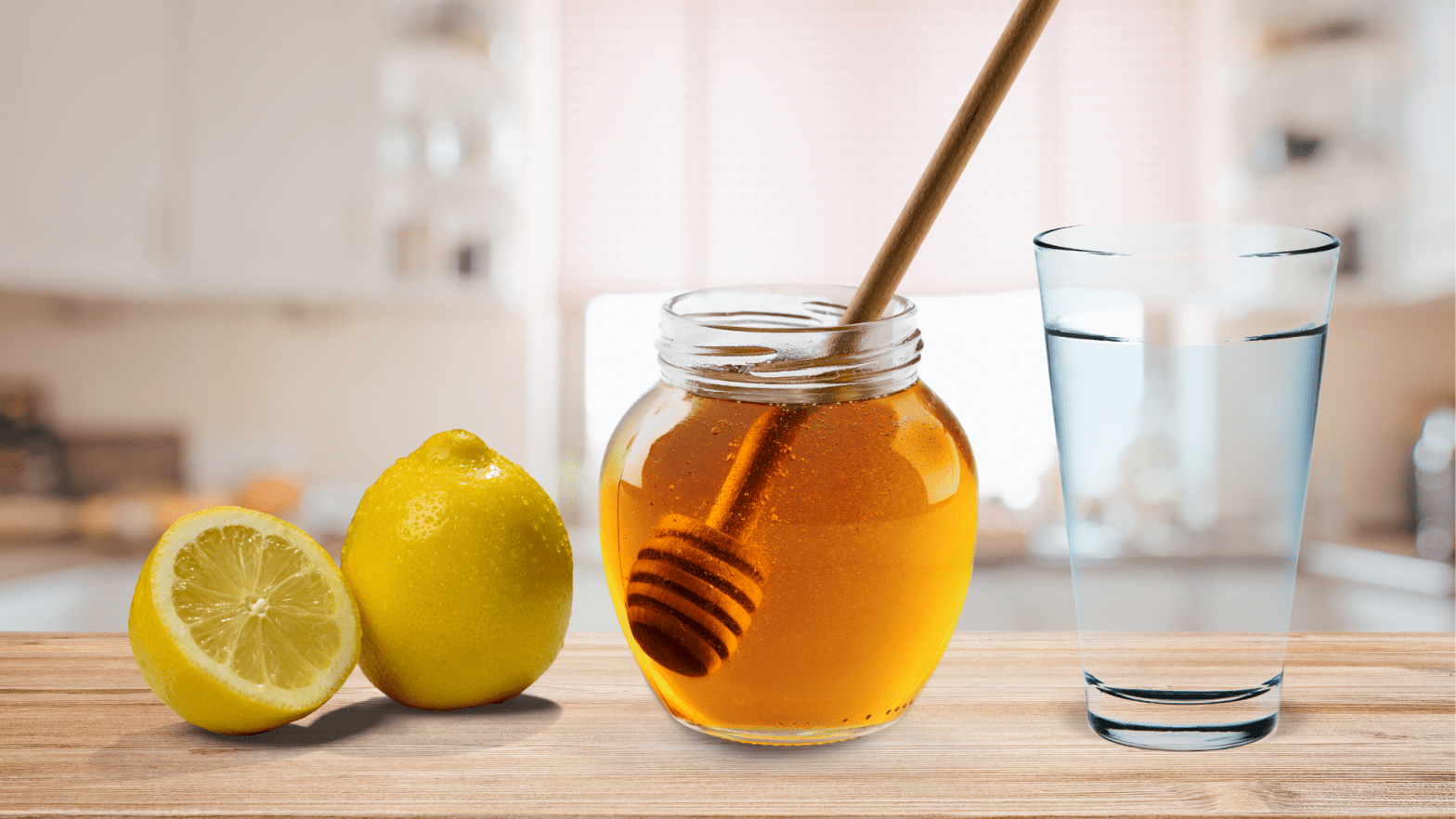
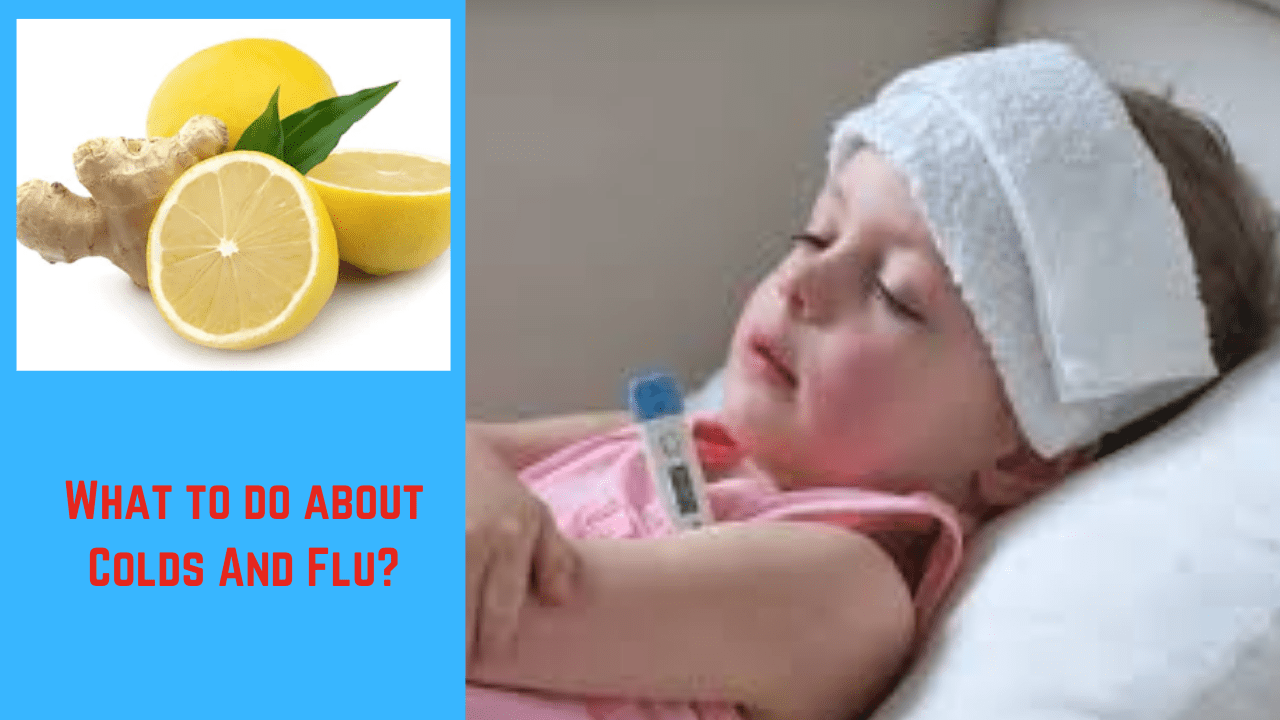
Ginger is the preferred Ayurvedic cold treatment. Combine similar quantities of ginger, cinnamon and lemongrass, soak in a cup of hot water for about 10 minutes, and add honey to taste. Or substitute the lemongrass with a pinch of cardamome.
Herb echinacea is a promoter of the immune system. The normal antiviral herb should not be taken more than two weeks at a time. The herb Goldenseal can be taken along with echinacea and works well to alleviate cold symptoms.
Zinc lozenges can also help speed up regeneration and can alleviate sore throats. (See lozenges containing zinc gluconate, glycinate and ascorbate).
For soothe a sore throat, try a gargle of moist, salty water several times a day, and eating hot drinks, like tea and chicken soup, is soothing. If you can’t get a rest in your bed because you feel bad.
When you contact the doctor, Children and the elderly may be at risk of contracting pneumonia. If, after a few days, the cold unexpectedly worsens, and you experience chest pressure, shortness of breath, painful cough, and high fever, so call the doctor.
If you have asthma, bronchitis, or emphysema, be sure to contact the doctor if you seem to be getting worse.
How to do with Flu (Influenza) Flu is a infectious bacterial illness. Poor cold is pretty much like moderate flu, but a more extreme case of flu affects the entire body, with a fever between 101 ° F and 103 ° F and chills, vomiting, joint and neck pain, cough, dry or burning skin, sore throat and exhaustion.
The incubation time for influenza is usually three to four days after exposure to the virus. Although the flu usually lasts less than 10 days, exhaustion and loss of appetite can persist for weeks afterwards.
As in colds, the effects of flu are caused by the body attempting to ward off the infection. Once again, as with colds, there is no definite treatment, but rest and certain medications and vitamins will help make the symptoms more bearable and help the body fight off the infection.
Those at the highest risk of contracting influenza symptoms are older people, people with underlying conditions (such as heart or lung disease) and those with weakened immune systems, such as Hiv survivors, or those with previous chemotherapy.
What are the origins of the flu virus?Flu outbreaks are caused by mutating strains of three specific forms of influenza viruses that frequently occur as an epidemic. Viruses are captured and spread in the same manner as cold viruses.
Type A viruses are typically the most active viruses that are most commonly blamed for epidemics. Type B viruses are less extreme, and type C viruses are responsible for the mildest cases of influenza that are the most serious cold.
Flu vaccination A flu vaccine is an choice for those most at risk of complications. Zanamivir (Relenza), which is a nasal spray, and oseltamivir (Tamiflu) are also antiviral medications that can be available, but you need to take them early in the process of your infection to allow them to function.
Supplements that can help to alleviate symptoms of flu.
Vitamin A can help to reduce the duration of the flu. Take as advised in case of colds (see above).Vitamin C can also benefit if taken at high doses (2,000 mg three times a day for five days).
Find herb echidna to help improve the immune system. Do not take echidna without a break for more than two weeks.
Even seek the homeopathic cure called Oscillococinum.Acupuncture can help some people to avoid getting the flu, or to prevent the worst symptoms, and to shorten the duration of the disease if you do.
Made self-care Flu remedies.Keep in bed, relax or sleep until the temperature returns to normal.Drink plenty of moist fluids. Take water at room temperature and select fruit / vegetable juices or tomatoes, chicken or plain beef soups.
As for colds, soothe a sore throat for moist, salty water and suck zinc lozenges.If you have a hot, non-productive cough, use a humidifier in the room and apply eucalyptus oil or olive oil to the oil burner.And finally-a general natural remedy for colds and flu.
Crush the medium-sized garlic clove and half a tablespoon of the fresh ginger, press the juice of the lemon. Mix in a cup of warm water with a tablespoon of honey and drink up to three cups a day.
To most people who have a cold or even a flu, it is uncomfortable, but it disappears relatively easily, so the bright side is that you are unable to get the same infection again for some time after you have had it, as the immune system has formed immunity against it. Yeah, pamper yourself and relax, you’ll hopefully be well again soon.







 naturecures.fitness.blog